
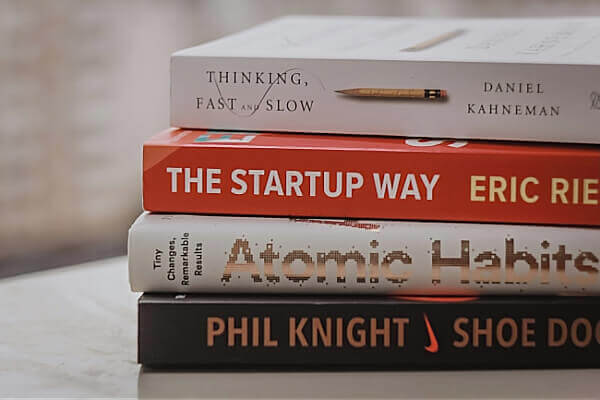
As Western self-improvement turns into self-affirmation, Islam advances a submission-based worldview. Why selfish culture collapses under conviction.
Self-Improvement Became Selfish
By J. Jeff Toler for Shenandoah Christian Alliance j.toler@sca4christ.org
- “Wisdom is the principal thing; therefore get wisdom: and with all thy getting get understanding” —Proverbs 4:7 (KJV)
In earlier generations, we were expected to grow up by growing better. You worked on yourself. You became healthier, learned more, overcame bad habits, and gained wisdom. Maturity actually required self-improvement.
Today, the pressure has reversed. Instead of striving to become better people (however you choose to define that term), many now insist that the world must accept them exactly as they are. Don’t bother asking questions or inviting debate. Others are expected not only to accept this stance, but adjust to these expectations, wants, desires, beliefs, and yes—this worldview. It’s demanded of us. You may now be asking, “Who is us?”
If this is framed as an us-versus-them dynamic—them being the younger generations—the burden of change has shifted to us with our “old” worldviews. We are the ones expected to adapt.
I am not mistaken about this new paradigm. There are several major areas of culture where the “the world must accommodate me” model isn’t just present—it’s actively promoted, institutionalized, and rewarded. Explore the most significant ones and you’ll find the same conclusion: there has been a profound shift from self-improvement to self-assertion.
Too many people are now less concerned with how we treat one another, so long as everyone else meets their expectations.
Areas Where This New Paradigm Is Encouraged, Promoted, and Valued:
1. Social Media Ecosystems: Your feelings define reality; your followers validate it.
This is obvious on platforms like Instagram, TikTok, and X. They reward something called performative authenticity—the attitude of “this is just who I am, deal with it.” This, we’re told, is the new authentic.
- Identity signaling over character development
- Emotional venting as moral authority
- A culture of instant affirmation rather than growth or correction
Algorithms amplify content that affirms identities, grievances, and personal brands—not introspection or humility¹
2. Consumer Culture and Advertising: You are perfect as you are—just buy this product.
This message is everywhere:
- Radical self-acceptance instead of self-improvement
- Convenience over discipline
- Desire as entitlement
- “Treat yourself” elevated to a virtue
Even self-care is commodified into comfort rather than resilience.
3. Higher Education and Identity-Based Academics: Personal lived experience is unquestionable; dissent is harm.
In many programs:
- Identity groups are framed as immutable categories of oppressor and oppressed
- Personal subjectivity is treated as authoritative
- Discomfort is equated with psychological harm
- Institutional policies prioritize affirmation over challenge
This produces graduates who expect institutions—and society—to adapt to them.
4. Corporate HR Culture: The workplace must conform to each employee’s identity needs.
Corporate DEI regimes often:
- Prioritize feelings over performance
- Treat personal identity as the organizing principle of work life
- Expect employers and coworkers to continually adjust language, behavior, and norms
- Encourage reporting “micro-aggressions” based on subjective perception
Result: the workplace becomes a psychological safe space rather than a professional environment.
5. Entertainment, Media, and Celebrity Culture: Self-definition is unquestionable; criticism is oppression.
Here we see:
- Stories of identity as self-invention
- Virtue signaling
- “My truth” elevated above truth
- Heroes who are validated rather than transformed
Celebrities, influencers, and activists reinforce the notion that society must affirm whatever one claims to be.
6. “Therapy-Lite” and Pop Psychology: Self-esteem is more important than self-discipline.
Modern therapeutic trends—especially online—over-emphasize:
- Internal validation
- Removing “toxic” people who challenge you
- Treating normal struggle as trauma
- Framing personal boundaries as demands others must obey
Instead of strengthening individuals, the trend expects others to prevent discomfort.
7. Politics and Activism: Identity grants moral authority and political power.
Activist movements often:
- Treat subjective perception as reality
- Ground moral status in group identity rather than character
- Demand structural changes to validate personal feelings
- Redefine disagreement as violence or erasure
This shifts focus from civic responsibility to personal recognition and entitlement.
8. Public Education (K–12) in Many Regions: Affirmation is safety; challenge is harmful.
Many—not all—public and private schools have adopted:
- SEL frameworks that prioritize self-validation
- Policies requiring affirmation of student identities regardless of parental input
- Classroom norms that avoid competition, struggle, or correction
This teaches children to expect adults and institutions to adjust around their emotions.
A Culture Racing Toward Crisis
Our culture is racing toward a crisis of relevance, purpose, and meaning. All of these examples explain why loving others is more than a message for Christians to hide in their hearts. Consider how the timeline has changed:
The Sad Summary of the 25-Year Shift in Self-Improvement
2000s: Self-improvement meant discipline, productivity, and good habits.
2010s: Self-improvement centered on meaning, emotional insight, boundaries, and authenticity.
2020s: Self-improvement now means self-acceptance, identity affirmation, and lifestyle curation. In other words, people are becoming selfish, pampered, weak, and foolish.
The pendulum has swung from self-discipline to self-understanding and finally to self-affirmation. The next step is, of course, self-serving. This matters more than we may think. It explains why so many social and cultural conflicts of our day were spawned, nurtured, and harvested by people who—with all their zeal—are serving only their own interests. Those who want to change the world have not gained the wisdom necessary for the task.
A Cautionary Example
Previously, we examined the issue of cognitive dissonance and how it contributed to one of the largest fraud scandals in modern history. Although the Lutheran Church’s charity and service were rightly based on the principle of love, they were missing two essential elements: wisdom and discernment. They erred by outsourcing their charitable ministry to the secular state.
I cannot say this is how all churches in Minnesota operate. But I will say that too many Christians have become habituated to the easy gospel—the progressive gospel—because it appeals to their focus on self-improvement. Such Christians are a poor match for the Somali Muslims who are overwhelming them in their own neighborhoods.
Christian ministry must include the tireless work of sharing the Gospel of Jesus Christ. It requires effort—seeking opportunities where proclamation is not only possible but necessary.
The Reality and Risks for a Muslim Convert—Has Nothing to do With Self-Improvement

Sabatina James
Muslims will not accommodate the Lutherans in Minnesota. They have brought with them a worldview dedicated to forcing everyone to submit or die. Self-improvement, in the Western sense, is meaningless within that framework. Even so, many Muslims are converting to Christianity because of personal experiences, including powerful dreams and visions of Jesus.
Disillusioned with Islamic extremism and oppressive patriarchy, they are attracted to Christian teachings on God’s unconditional love and grace, the peaceful community of believers, and the possibility of a direct, personal relationship with God. Still, conversion carries severe risks—family rejection, threats, and persecution.
Imagine two things if you can: tepid, self-improved believers inspiring the faithful adherents of Islam to see how Christian faith is lived. Would such believers be willing to love sacrificially for Christ as the Muslim is willing to die for Allah? Time is running out. The enemy is not at the door. He is already inside the henhouse.
See for yourself an astonishing testimony: the true story of Sabatina James on the Michael Knowles Daily Wire podcast:
—
1. Performative authenticity is the strategic presentation of one’s “real self” in public, especially online, where authenticity becomes a curated performance shaped by audience expectations (Marwick & Boyd, 2011; Banet-Weiser, 2012.)
2. https://www.wbur.org/cognoscenti/2021/11/30/censorship-free-speech-julie-wittes-schlack?utm
3. https://youtube.com/shorts/4Prxp4_yhco?si=KgJoWvfjYRl3Klrn Youtube short: change yourself, not the world
4. https://globalchristianrelief.org/stories/why-are-muslims-converting-to-christianity/
Photo by Lala Azizli on Unsplash